Polish roads accumulate a distinctive mix of grit, road salt and clay mud that accelerates drivetrain wear. Washing a bicycle every two to four weeks during the riding season — and after each muddy ride — keeps components working correctly and extends their service life considerably.

What You Need
Before starting, gather the following items. All are available at Polish cycling retailers such as Decathlon, Merlin or local bike shops:
- Two buckets — one with warm soapy water, one with clean water for rinsing
- Soft-bristle brush (medium-sized) for the frame
- Stiff-bristle brush for tyres and wheel rims
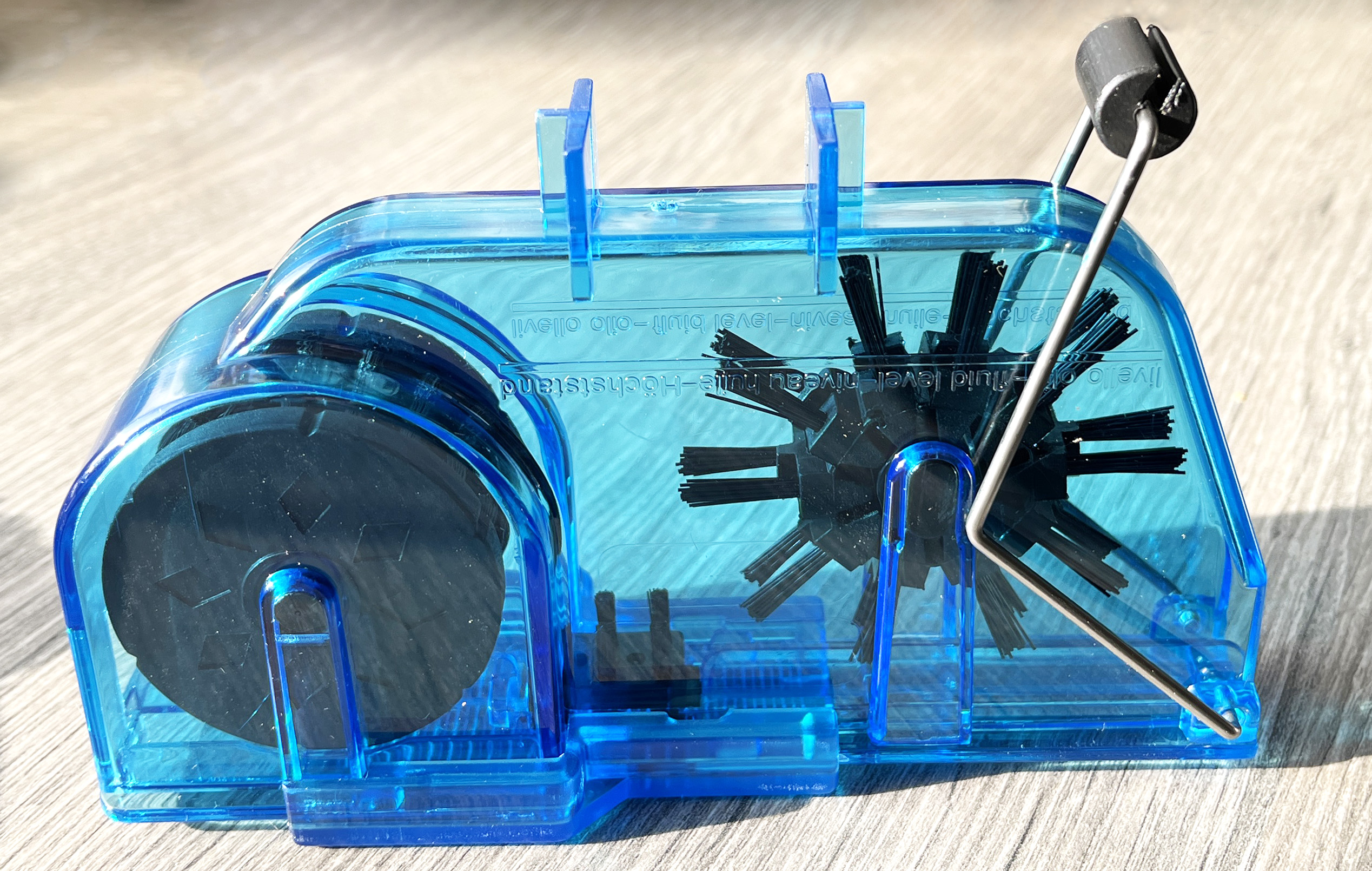
- Chain-cleaning device or small container for degreaser
- Bicycle-specific degreaser (e.g. Muc-Off Bio Degreaser or Finish Line Speed Degreaser, both sold in Poland)
- Chain lubricant appropriate for the season: wet lube for autumn/winter, dry lube for summer
- Old cloths or microfibre towels
- Hose or low-pressure water source — not a pressure washer
Note on pressure washers: High-pressure water forces water into bearings, headset and bottom bracket. A gentle hose or a bucket and brush gives better results for long-term component health.
Step-by-Step Cleaning Process
-
Rinse the bicycle
Use a low-pressure hose or pour water from a bucket to loosen surface mud, especially around the bottom bracket, chainstay and fork crown. Avoid directing water at bearing points for extended periods.
-
Degrease the drivetrain
Apply degreaser to the chain, chainring, derailleur pulleys and cassette. If using a chain-cleaning device, fill it with degreaser and run the chain through while backpedalling. Leave the degreaser to work for 2–3 minutes.
-
Scrub the drivetrain components
Use a stiff brush to scrub the cassette sprockets and chainring teeth. A thin brush — or an old toothbrush — clears buildup between the derailleur cage plates and around the jockey wheels.
-
Wash the frame
Dip a soft brush or cloth into the soapy water and work over the frame, fork, handlebars and seatpost. Pay attention to the underside of the down tube and seat tube, where mud collects.
-
Clean the wheels
Scrub tyre sidewalls with a stiff brush to remove embedded grit. Clean the rim braking surface with a cloth and degreaser if brake pads leave rubber deposits — this is especially important on alloy rims after wet rides.
-
Rinse everything
Rinse the entire bicycle with clean water, working from top to bottom so dirty water runs downward. Pay attention to the drivetrain to remove all degreaser residue — leftover degreaser will strip lubricant from bearings.
-
Dry the bicycle
Use clean cloths to wipe the frame, wheels and drivetrain. If possible, leave the bicycle in a dry space for 20–30 minutes before applying lubricant, to allow water to evaporate from chain links.
-
Lubricate the chain
Apply chain lubricant to the inner side of the chain, link by link, while turning the pedals backwards. After full coverage, wipe excess oil with a cloth. Excess lubricant attracts dirt faster than a dry chain would.
Chain Disassembly for Deep Cleaning
After several hundred kilometres, the chain may require removal for a thorough soak. Most modern chains use a quick-link (master link) that allows tool-free removal. If the chain uses a pin-type connector, a chain tool is required.
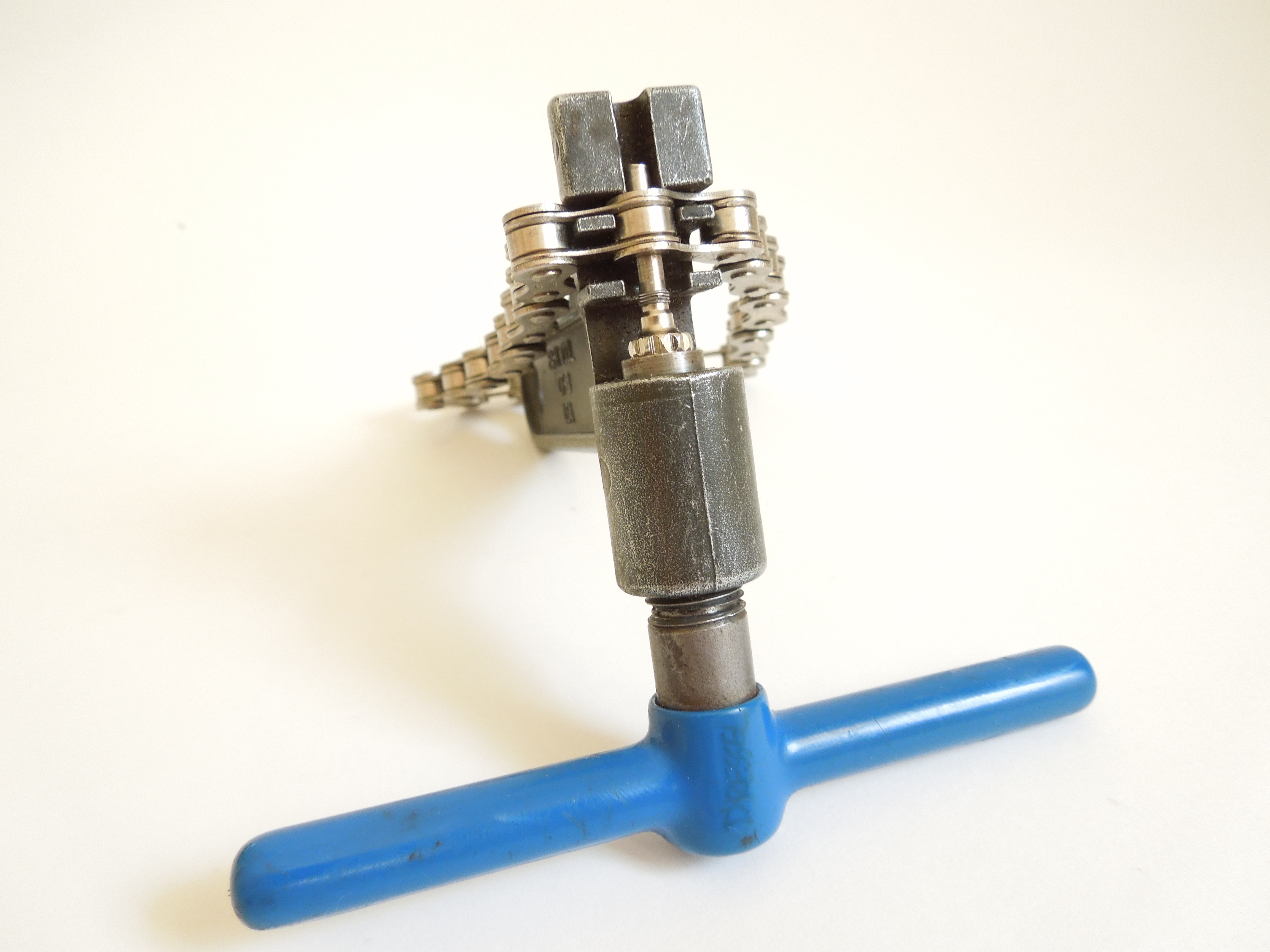
To soak a removed chain, place it in a container with degreaser for 10–15 minutes, agitate gently, then rinse in clean water and allow to dry fully before reinstalling and lubricating.
Frequency in Polish Conditions
Cyclists riding on tarmac routes in summer can extend cleaning intervals to once every 4–6 weeks. After riding on forest tracks, gravel paths or in autumn rain, cleaning the drivetrain the same day prevents abrasive grit from running inside chain links overnight.
During winter, when road salt is common on Polish urban streets, rinsing the bicycle after every ride — even a quick wipe-down — slows corrosion on bolts, frame joints and uncoated steel parts.
Signs That Cleaning Is Overdue
- Chain makes a grinding or squeaking sound when pedalling
- Dark brown paste visible on the chain and cassette sprockets
- Shifting becomes imprecise despite correct cable tension
- Brake pads leave black streaks on the rim surface during braking